12 Beautiful Small Garden Ideas to Transform Your Outdoor Space
Creating a beautiful garden does not require a large backyard or an expensive renovation. With thoughtful planning, even a narrow side yard, compact patio, or small patch of grass can become a relaxing and functional outdoor retreat.
The best small garden ideas focus on using every available area wisely. Vertical planting, compact furniture, layered greenery, and clearly defined zones can make a limited space feel more organized without overcrowding it.
Before adding plants or decorations, consider how much sunlight the garden receives, how you want to use the space, and how much maintenance you can realistically manage. These details will help you choose ideas that suit both your outdoor area and your daily routine.
In this guide, you will discover 12 practical ways to add greenery, improve privacy, create comfortable seating, and make a small garden feel more spacious and welcoming.
1. Divide the Garden Into Clear, Simple Zones
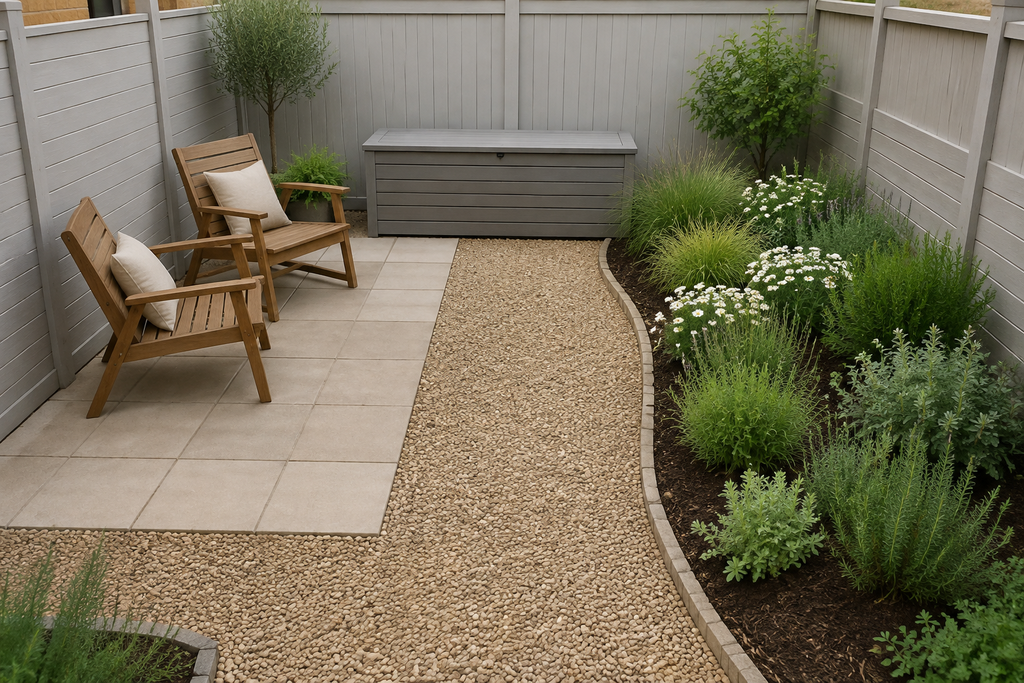
A small garden can feel more spacious when every area has a clear purpose. Before buying plants or furniture, decide where you want to walk, sit, grow flowers, or store gardening supplies. Creating these basic zones helps prevent the space from becoming crowded or disorganized.
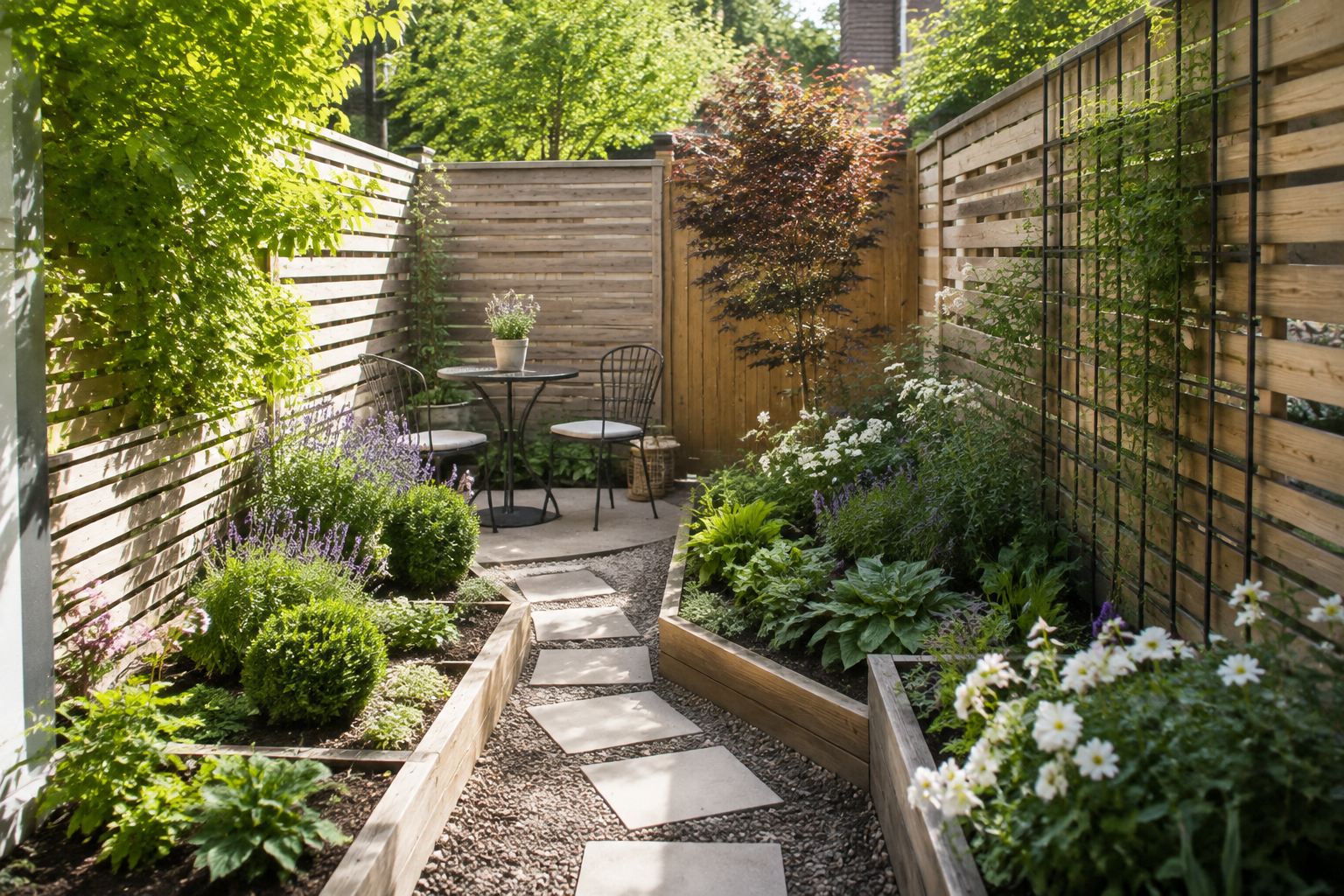
Use simple features to separate each area without building heavy walls. A narrow path can guide visitors through the garden, while a small outdoor rug or a change in paving can define the seating area. Raised beds or low planters can create a clear planting zone while keeping the layout open.
Avoid adding too many separate sections. In a compact garden, two or three well-planned zones usually work better than several small ones. This approach is one of the most practical small garden ideas because it improves movement while making the entire outdoor space feel intentional.
If you want to improve the route between these zones, explore our garden path ideas for practical layout inspiration.
2. Grow Plants Vertically to Save Ground Space
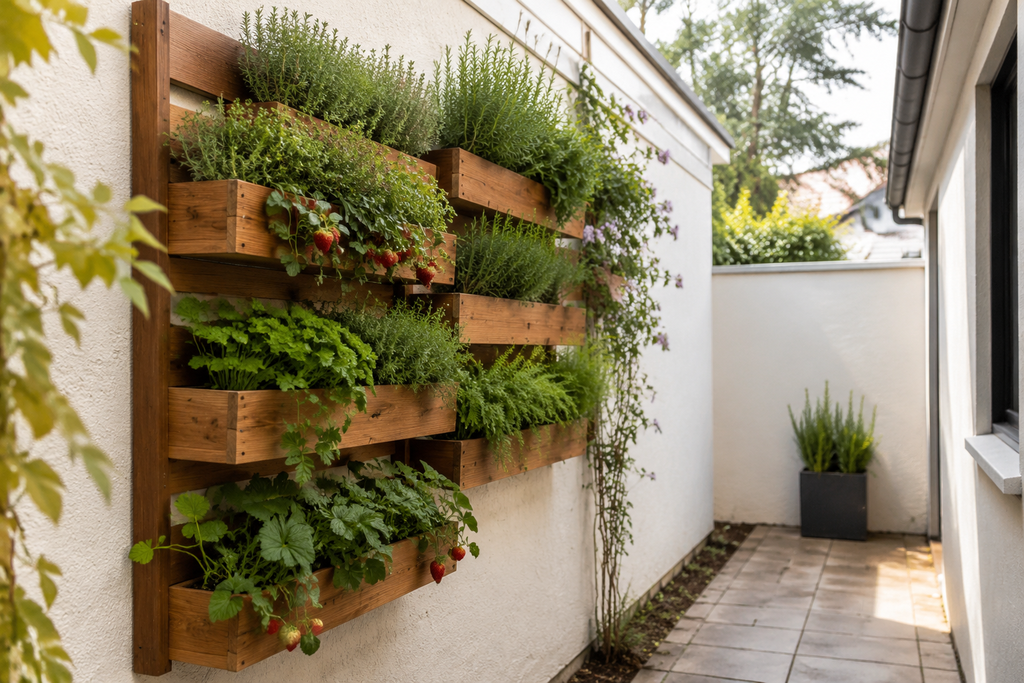
When planting space is limited, walls and fences can become valuable growing areas. Vertical gardening allows you to add more greenery without covering the floor or making narrow paths difficult to use.
Install a wall-mounted planter, a wooden trellis, or a series of lightweight pots along a sunny fence. Climbing plants such as clematis, jasmine, or compact climbing roses can soften hard surfaces, while herbs and small leafy vegetables work well in pocket planters.
Choose one vertical structure that matches the size of the garden instead of covering every wall. Make sure it is securely attached and positioned where the plants can receive suitable sunlight. Leaving some of the fence visible will help the garden feel balanced rather than overcrowded.
3. Layer Plants to Create a Sense of Depth
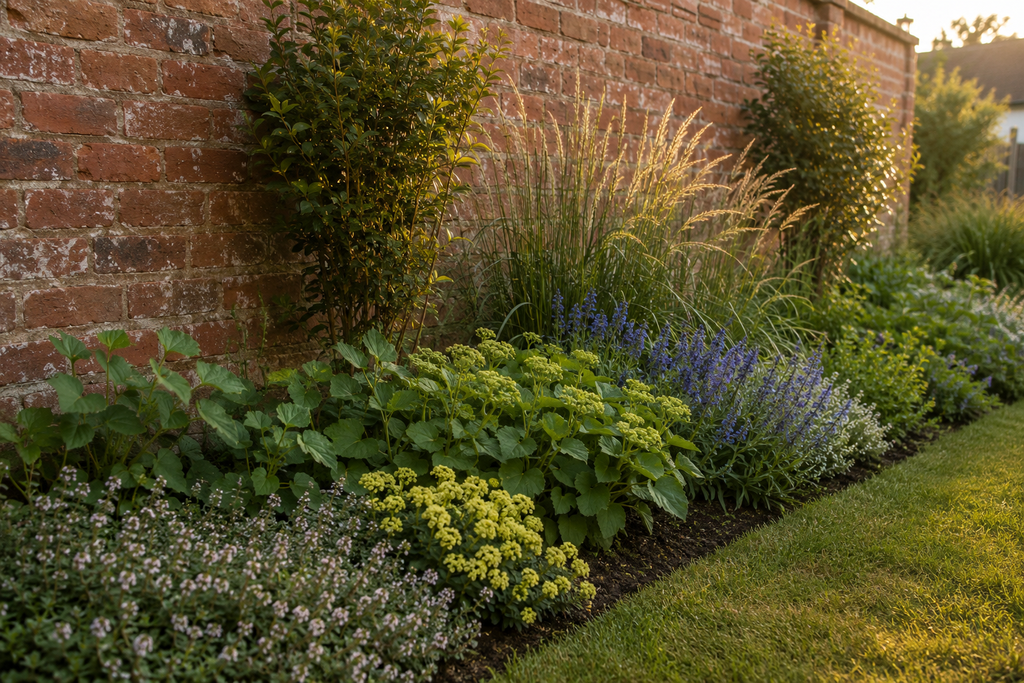
Using plants of different heights can make a small garden appear deeper and more established. Instead of placing everything in one straight row, arrange the planting in layers so the eye moves gradually from the front of the border toward the back.
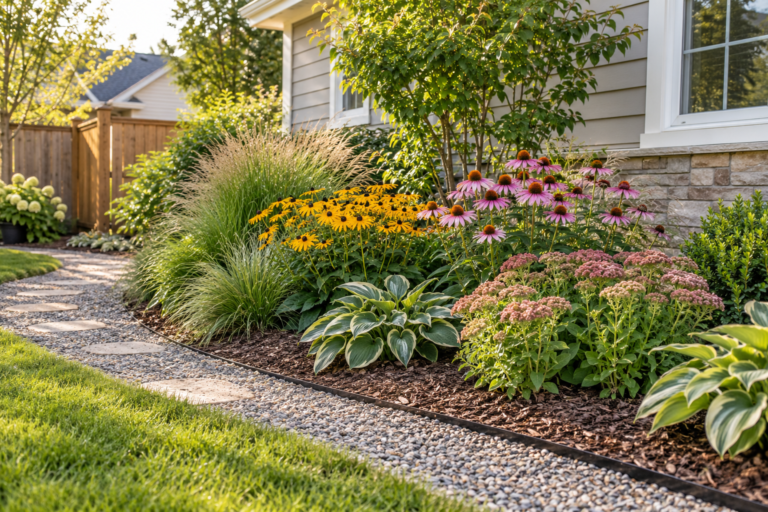
Place low-growing ground covers and compact flowers near the edge, medium-sized perennials in the middle, and taller grasses or shrubs toward the fence. Repeating a few plants throughout the border will create a consistent look without making the garden feel busy.
Check the mature height and width of every plant before planting. Leaving enough space between them improves airflow and prevents larger varieties from hiding smaller ones. This layered approach adds dimension while keeping the limited area organized and easy to maintain.
4. Use a Few Large Containers Instead of Many Small Pots
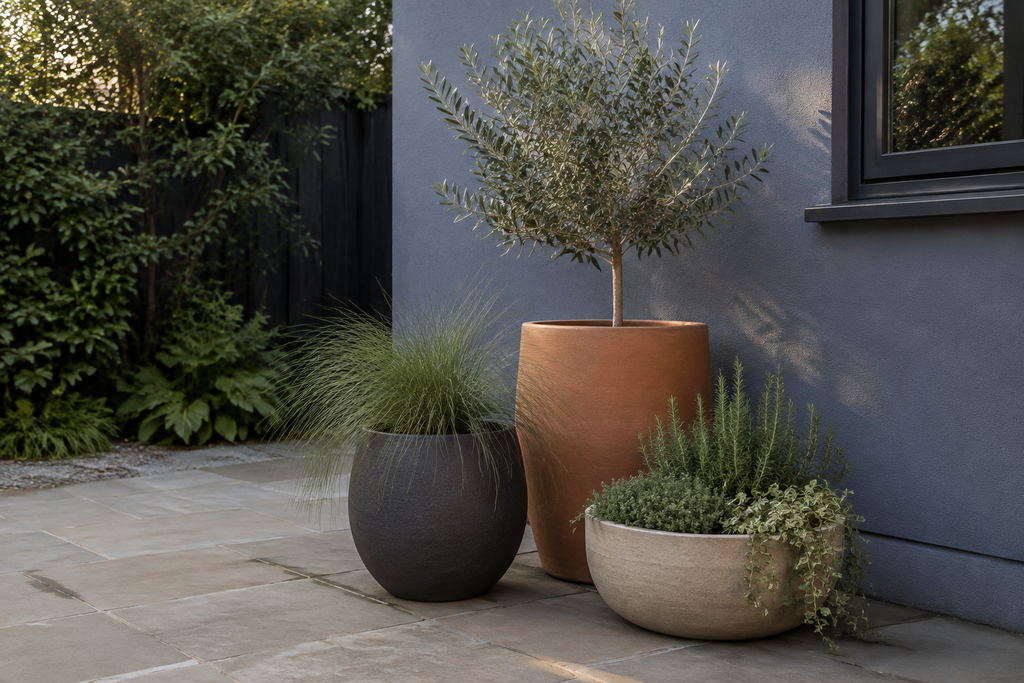
A collection of tiny pots can make a limited garden look cluttered and requires frequent watering. Using two or three larger containers creates a cleaner arrangement while providing enough soil for plants to develop healthy roots.
Choose containers in similar colors or materials, but vary their heights slightly to add interest. Place a taller shrub or ornamental grass in the largest pot, then use the other containers for herbs, compact flowers, or trailing plants. Group them near an entrance, beside a seating area, or in an empty corner.
Make sure every container has drainage holes and select lightweight, weather-resistant materials if you expect to move them. Leave visible space around the group so it becomes an intentional focal point rather than another crowded section of the garden.
5. Choose Compact or Foldable Garden Furniture
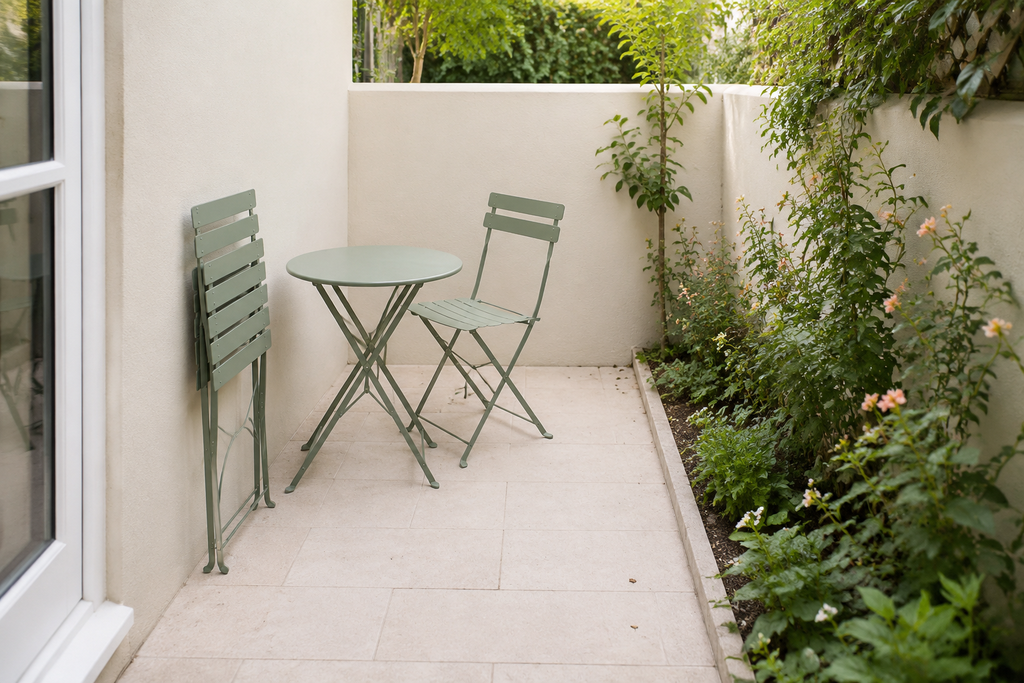
Large outdoor furniture can quickly dominate a small garden and make it difficult to move between different areas. Compact pieces provide a comfortable place to relax while preserving valuable floor space.
A folding bistro table, stackable chairs, or a narrow bench against a wall can work well in a limited layout. Select furniture with slim frames and open legs because it allows more of the ground to remain visible, helping the garden feel less crowded.
Measure the intended area before purchasing anything and leave enough room to pull out chairs comfortably. When the furniture is not in use, folding or stackable pieces can be stored against a fence or inside a small storage box. These flexible options allow the same garden area to support dining, relaxing, or other activities.
6. Create One Focal Point at the Far End
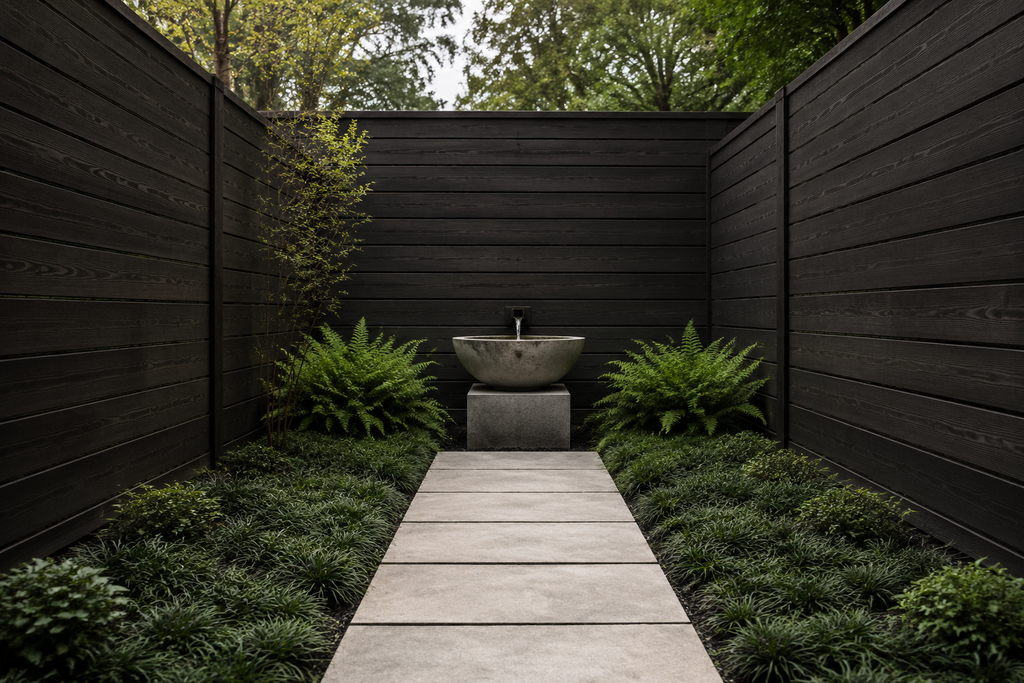
A single focal point can draw the eye through a small garden and make the space feel longer. It also gives the layout a clear destination instead of allowing every plant and decoration to compete for attention.
Place a simple feature at the end of a path or against the back fence. This could be a sculptural planter, a compact flowering tree, a weather-resistant piece of wall art, or a small water bowl. Keep the surrounding planting restrained so the feature remains easy to notice.
Choose an object that suits the scale and style of the garden. An oversized sculpture or several competing decorations can make the space feel smaller. One carefully positioned focal point provides more visual impact while maintaining an organized and peaceful atmosphere.
7. Add Privacy Without Blocking Natural Light
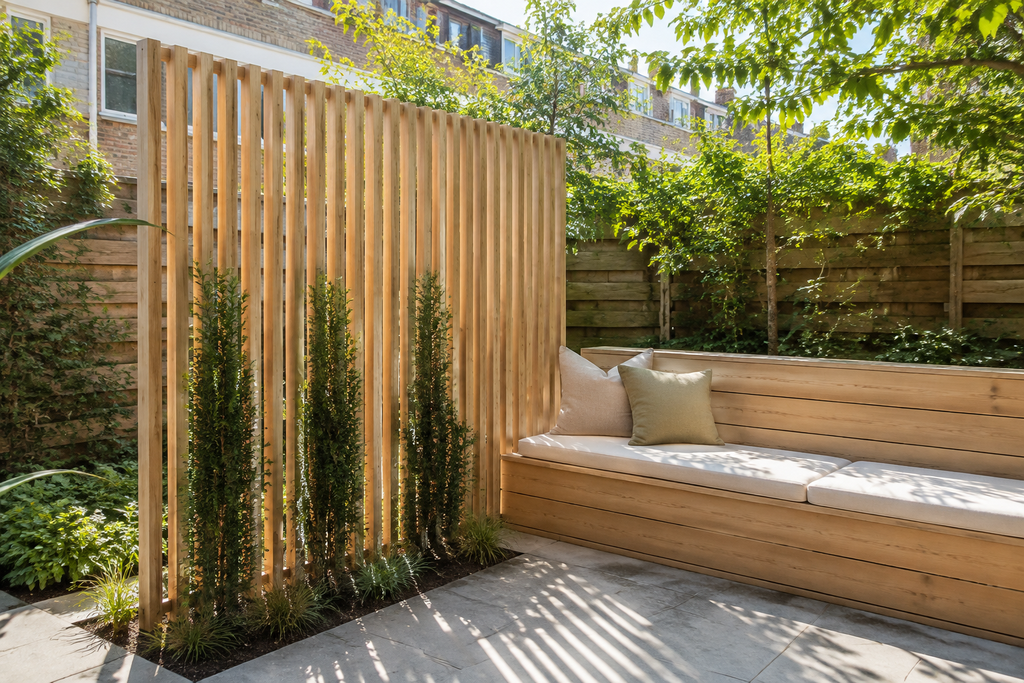
Privacy can make a small garden feel more comfortable, but a solid, tall barrier may leave the area dark and enclosed. The goal is to create separation while still allowing daylight and air to move through the space.
Use an open-slatted screen, a lightweight trellis, or a row of narrow upright plants along the most exposed side. Climbing greenery can soften the structure over time, while tall ornamental grasses or compact columnar shrubs provide coverage without taking up too much ground space.
Screen only the areas that genuinely need protection, such as a seating corner or a direct view from a neighboring window. Avoid enclosing every side with dense plants. A partially open design offers privacy while helping the garden remain bright, welcoming, and visually spacious.
8. Use Soft Lighting to Extend the Garden Into the Evening
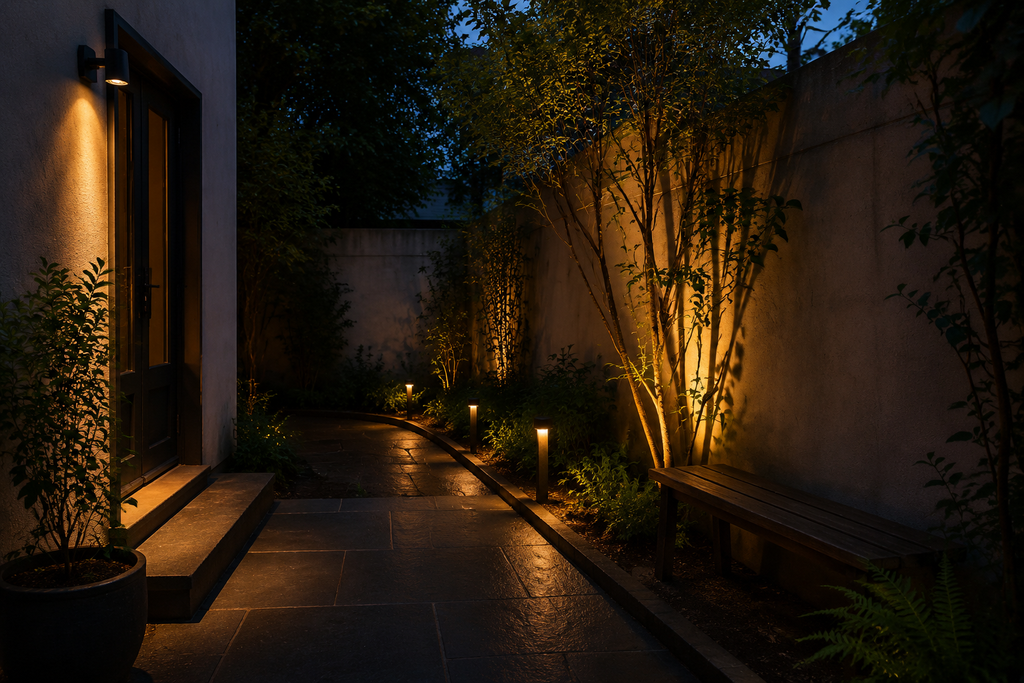
Thoughtful lighting can make a small garden more useful after sunset while adding warmth and depth. Instead of installing one bright light that illuminates the entire area, combine a few soft light sources in carefully selected locations.
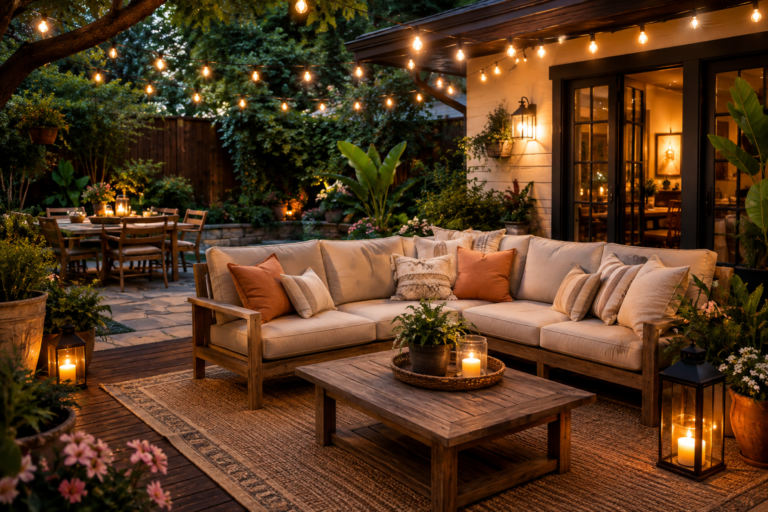
Use low-voltage path lights to mark steps, a small wall light near the entrance, or warm string lights above a compact seating area. Directing a subtle light toward one tree or textured plant can also create depth without filling the garden with fixtures.
Choose outdoor-rated lighting and keep cables away from walking areas and water. Avoid overly bright or cool-white bulbs, which can make the space feel harsh. Warm, restrained lighting improves visibility while preserving a calm and welcoming atmosphere.
9. Mix Edible Plants With Ornamental Greenery
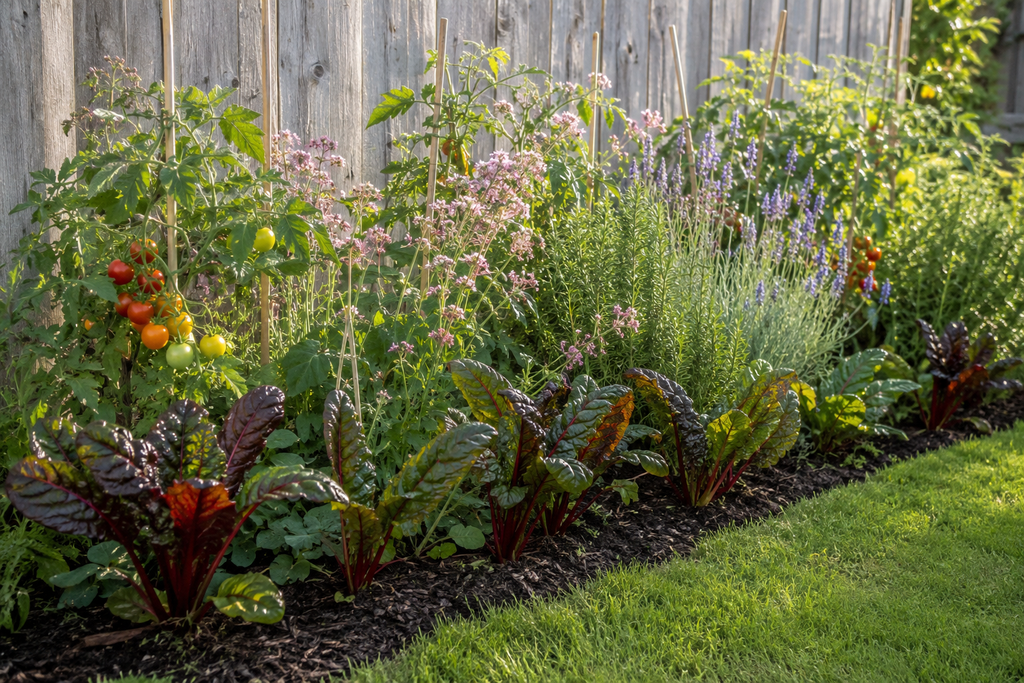
A compact garden can be both attractive and productive. Instead of reserving a separate area for vegetables and herbs, combine edible plants with decorative varieties to make better use of the available planting space.
Add rosemary or lavender beside flowering perennials, grow leafy greens along the front of a border, or place compact tomato and pepper plants among ornamental grasses. Strawberries can also work as an attractive ground cover or trail over the edge of a container.
Choose edible plants that match the garden’s sunlight and available space. Keep enough distance between varieties for airflow, and avoid using unsuitable chemicals near anything you plan to eat. Mixing useful and decorative plants is one of the most rewarding small garden ideas for creating a space that looks beautiful throughout the growing season.
10. Use Light-Colored Materials to Brighten the Space
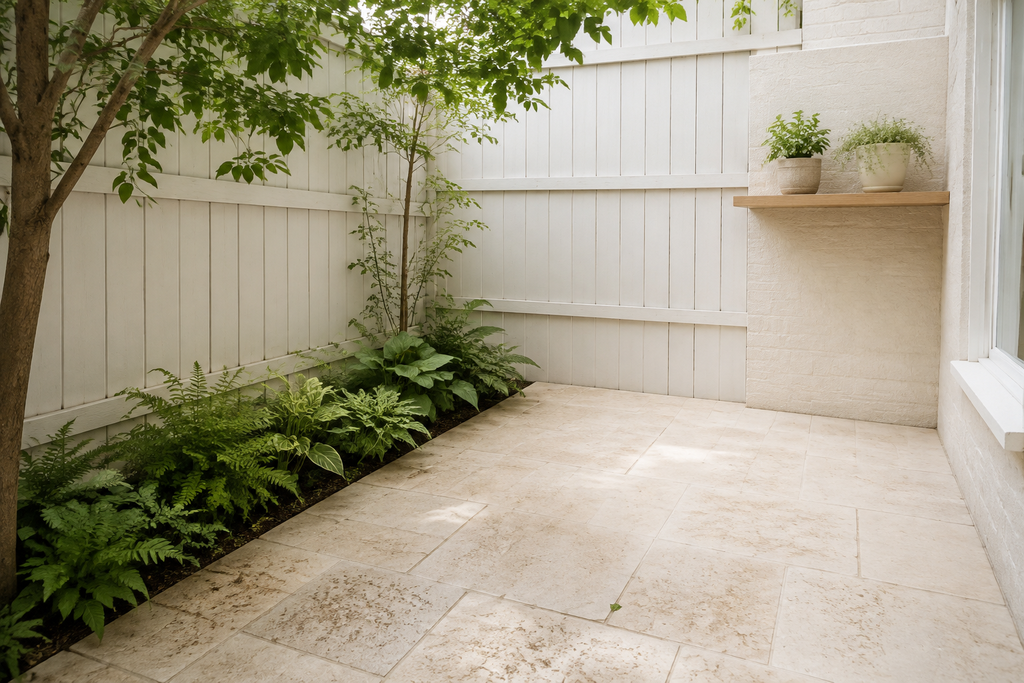
Dark paving and fencing can make a shaded or enclosed garden feel smaller. Light-colored materials reflect more daylight and can help a compact outdoor area appear brighter and more open.
Consider pale stone pavers, light gravel, softly painted fencing, or natural unfinished wood. You do not need to replace every surface. Updating one dominant feature, such as a dark fence or worn patio floor, may be enough to noticeably change the atmosphere.
Avoid using too many different finishes in the same area. Choose two or three complementary materials and repeat them throughout the garden to create a consistent appearance. Select outdoor surfaces with enough texture and grip, especially in areas that may become wet.
11. Select Compact Plants That Suit the Available Space
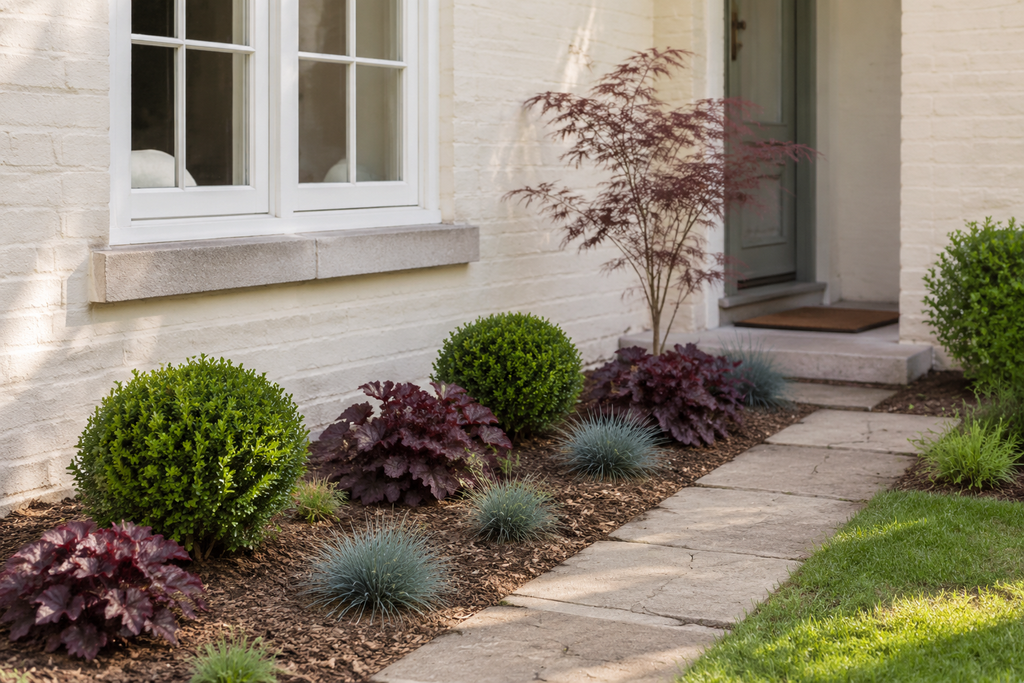
A plant that looks small at the garden center may eventually become too wide or tall for a limited area. Choosing naturally compact varieties reduces frequent pruning and prevents paths, windows, or seating areas from becoming blocked.
Look for dwarf shrubs, compact perennials, and narrow upright trees whose mature dimensions fit the garden. Slow-growing varieties are especially useful near fences and entrances. Plant labels usually provide expected height, width, sunlight needs, and suitable growing conditions.
Avoid placing vigorous plants in small borders simply because you plan to prune them regularly. Constant trimming can weaken their natural form and create unnecessary maintenance. Selecting appropriately sized plants from the beginning keeps the layout balanced and allows each variety enough room to grow.
Before selecting perennial plants, use the USDA Plant Hardiness Zone Map to identify varieties that are more likely to tolerate winter conditions in your location.
12. Repeat Plants and Colors for a Cohesive Look
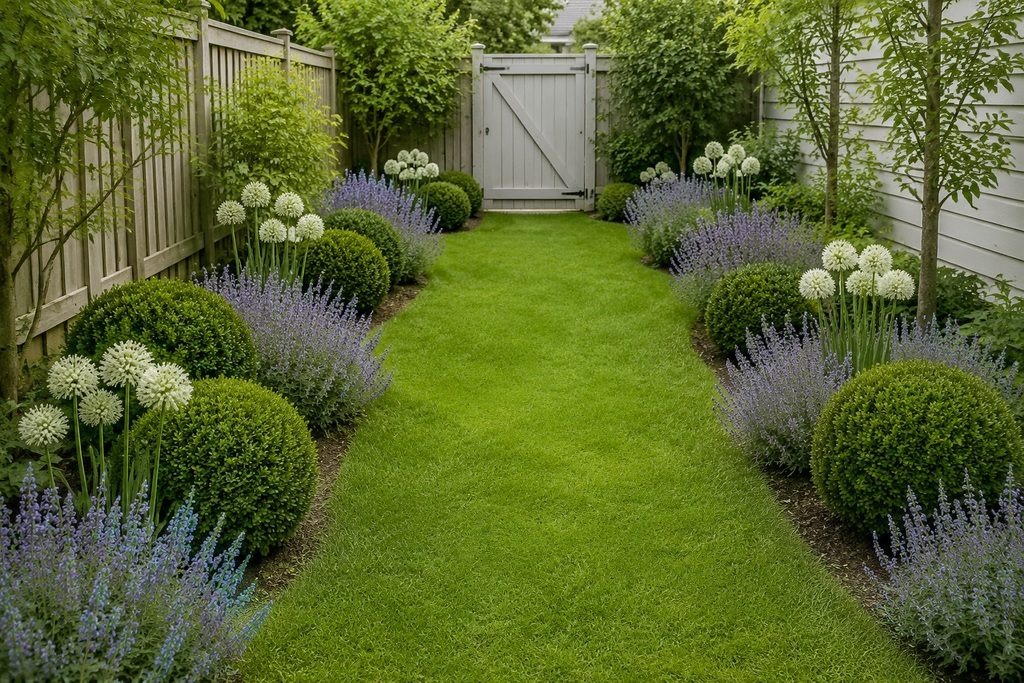
Too many unrelated plants, colors, and materials can make a compact garden feel visually crowded. Repeating a small selection throughout the space creates a calmer design and helps separate areas feel connected.
Choose two or three main plant varieties and repeat them along borders or near important features. Use a limited color palette for flowers, containers, and outdoor accessories. For example, green foliage combined with white and soft purple blooms can add interest without overwhelming the garden.
Repetition does not mean every section must look identical. Vary the height or grouping of the same plants to create a natural rhythm. This simple approach makes the garden easier to plan, easier to maintain, and visually more spacious.
Conclusion
A limited outdoor area can become a beautiful and practical retreat when every element has a clear purpose. The right small garden ideas can help you add greenery, improve privacy, create comfortable seating, and make the entire space feel more open.
Begin by assessing the garden’s sunlight, available ground space, and how you plan to use it. You do not need to apply every idea at once. Start with one meaningful improvement, such as organizing the layout, choosing compact plants, or adding vertical greenery.
Keep the design simple, leave enough room for plants to grow, and choose materials that suit your local climate. With thoughtful planning and regular care, even the smallest garden can become an inviting outdoor space that you enjoy throughout the growing season.
Frequently Asked Questions
How can I make a small garden look bigger?
Create a clear layout, keep walking routes open, and use a limited selection of plants and colors. Vertical planting, light-colored materials, and one focal point at the far end can also make the space feel deeper and more organized.
What plants work best in a small garden?
Choose dwarf shrubs, compact perennials, narrow upright trees, herbs, and slow-growing varieties. Always check the mature height and width of a plant before purchasing it to ensure it will fit the available space.
How do I create privacy in a small garden?
Use a partially open slatted screen, lightweight trellis, tall ornamental grasses, or narrow columnar shrubs. Screen only the exposed areas so the garden retains natural light and airflow.
Can I grow vegetables in a small garden?
Yes. Herbs, leafy greens, strawberries, compact tomatoes, and peppers can grow in containers, vertical planters, or mixed borders. Select varieties that match the garden’s sunlight and available growing space.
How can I design a low-maintenance small garden?
Choose plants suited to the local climate and growing conditions, limit the number of varieties, and leave enough space for their mature size. Use larger containers, simple materials, and a clear layout to reduce unnecessary maintenance.